

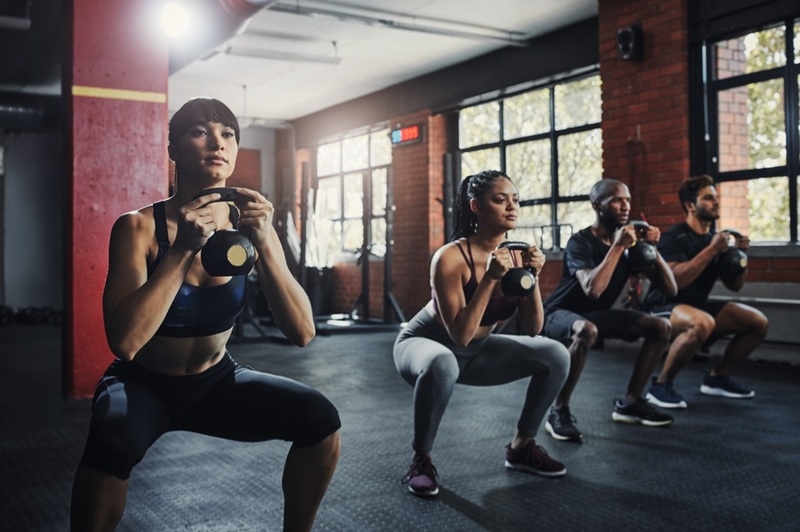
Kettlebell workouts offer a simple yet powerful way to train the body. These tools may look small, but they support strength, balance, and control when used correctly. Many gyms and home setups now rely on kettlebell training because it blends movement and strength. A full-body kettlebell workout targets muscles from head to toe, not just one area. The concept of exercising with a kettlebell is not simply about working up a sweat with repetitive exercises. Rather, it allows you to synchronize your body movements with your breathing. If you’re a beginner at exercising, a simple workout with a kettlebell can actually make you feel at ease if you keep things slow and simple. This guide will guide you through how a kettlebell workout actually works, how to plan out a workout, and why these workouts can be accessible at various fitness levels without specialized gear.
Kettlebell workouts stand out because they train movement, not just muscle. Unlike machines, kettlebell training asks the body to stabilize and balance during every lift. That helps muscles work together instead of alone.
Kettlebell exercises often involve swinging, pressing, or holding the weight away from the body. This changes how muscles respond and grow. A full-body kettlebell workout improves strength while also building control and posture.
Key differences include
A kettlebell workout routine feels more natural than strict machine training for many people.
A Closer Look at This: HIIT Workout Plan for Fast Weight Loss and Increased Stamina
Regular kettlebell workouts will improve strength, stamina, and flexibility. Kettlebell workouts do not require much space, so they fit very well at home or a fitness center.
Common benefits people report:
Kettlebell exercises can be short and powerful. A well-thought-out full-body workout can take less than one hour and feel complete.
Benefits often noticed include
Kettlebell workouts can be short yet effective. A well-planned full-body kettlebell workout may last under an hour and still feel complete.
Learning basic kettlebell exercises builds a strong base. These movements appear in most kettlebell workout routine plans because they work well and stay safe when done properly.
Common movements include
Each exercise supports different muscle groups. Swings build power, squats help legs, presses train shoulders, and deadlifts strengthen the back.
Kettlebell workouts become more effective when form stays clean. Starting light helps prevent injury.
Good form keeps joints safe. Kettlebell training uses momentum, so control matters more than speed. A kettlebell workout for beginners should focus on slow practice before faster reps.
Proper form helps
Many trainers suggest practicing in front of a mirror or with guidance early on.
A full-body kettlebell workout trains legs, core, arms, and shoulders in one session. This saves time while building strength evenly.
A simple structure includes
A kettlebell workout routine often alternates between upper and lower body movements. This keeps the heart rate steady without feeling overwhelming.
Example flow
This style of kettlebell workouts keeps sessions balanced and practical.
Read the Full Guide: Home Workout Routine That Transforms Your Fitness Fast
Starting slow helps beginners feel confident. A kettlebell training session for beginners should focus on using lighter weights and simple exercises. Consistency is what matters, not speed.
Beginner tips include
Kettlebell exercises may feel awkward at first. That feeling fades with practice.
A gentle kettlebell workout routine may include
Repeating this cycle builds strength safely. Kettlebell workouts should feel challenging but not painful.
Frequency depends on goals and recovery. Many people train with kettlebell workouts two to four times a week. Rest days allow muscles to recover.
General guidelines include
A full-body kettlebell workout needs rest just like other strength plans.
Mistakes slow progress and cause injury. Awareness helps avoid them early.
Common issues include
Kettlebell exercises work best with patience. A steady kettlebell workout routine leads to better results over time.
Safety keeps training consistent. Simple habits protect joints and muscles.
Helpful safety steps include
Kettlebell training rewards control. Smooth movement matters more than speed or weight size.
Many gyms support kettlebell workouts because they fit all levels. From beginners to athletes, kettlebell exercises scale easily. Gyms like Gold's Gym include kettlebell training areas for functional strength work.
Reasons gyms support this style include
A full-body kettlebell workout fits modern training goals well.
Kettlebell training can also be accompanied by cardio or bodyweight training. Some people use them on strength days, others mix them into circuits.
Good combinations include
A balanced kettlebell workout routine supports long-term fitness.
Explore More Tips: Core Workout Routine for Strong Abs and Belly Fat Reduction
Kettlebell workouts are easy tools that can provide a high return. Purposeful movement can help kettlebell exercises create strength, balance, and control. Whether an exercise involves an individual kettlebell or an overall kettlebell workout, these workouts can accommodate everyone. A steady kettlebell workout for a beginner can lead to fitness habits with time and dedication.
Yes, a kettlebell workout for beginners works well with light weights and basic movements. Form and control matter most early on.
Most kettlebell workouts last 20 to 45 minutes. A full-body kettlebell workout can stay short and still feel effective.
Yes, kettlebell exercises support muscle growth when done regularly. Progressive weight and good form help results improve.
Two to four sessions per week work for many people. Rest days help muscles recover and grow stronger.
This content was created by AI